Got a ringing in your ear after a concert, festival or night out?
Hearing protection lame? How about a ringing in your ear all day — that's what's really killing. Protect yourself with festival earplugs from Rave Safe. Take care of yourself, good preparation is half the work. In this article you'll read what tinnitus actually is, what causes it and what you can do about it.
A ringing in your ear is actually called 'tinnitus'
What is tinnitus? Whether or not you've heard the term, chances are you've experienced it — maybe more than once. And, we hope not for you, you might unfortunately deal with it daily.
Tinnitus means hearing sounds that aren't there. It's also called ringing in the ears or phantom sounds. Sounds scary maybe. But have you ever had a ringing in your ears (had) after going out? That's also a form of tinnitus.
When you're exposed to loud sounds for too long, this can cause that annoying ringing sound. This form is also called disco-tinnitus. A funny term for a not-so-funny problem.
Fortunately, in most cases your hearing has recovered after a night's sleep. But when you repeatedly and continuously expose yourself to too much noise, you risk persistent symptoms and hearing problems.
Did you know that one in three adults sometimes experiences this kind of hearing problem in daily life? They experience a clear tone in their ear lasting at least a few seconds. Drives you nuts!
Fortunately, we're becoming more aware of the effect of too much noise. Especially when you're young you just want to live in the moment and not worry about tomorrow. Plus, festival earplugs aren't exactly dope yet. But we're changing that.
Meaning of tinnitus
Tinnitus, also called ringing in the ears, is the perception of a continuous sound, without an identifiable sound source in the environment. Tinnitus can vary from ringing, hissing, whistling, buzzing or rushing tones in one or both ears.
The sounds arise because the hearing organ or nerve pathways — without there being any sounds — pass on signals that get the meaning 'sound' in the brain. Usually the sound is perceived when there's no or little ambient sound, for example before going to sleep.
The name comes from the Latin tinnitus aurium, meaning 'the ringing of the ears'. Initially it was thought that the cause of tinnitus lay in the hearing organ itself. But the causes can also lie in the brain: overactive parts of the brain in the hearing area continuously give signals, while the sound is no longer there.
Who gets a ringing?
An estimated 1 in 10 Belgians suffer to a greater or lesser extent from tinnitus daily and have to learn to deal with it. The number of people with tinnitus has been increasing in recent years. You can't predict in advance who will or won't get tinnitus or other forms of hearing damage.
When you regularly expose yourself to too much noise — like at concerts, in a club or at festivals — you increase the risk of hearing damage. Medication use, drugs, alcohol, stress and hereditary hearing loss can also pose a risk or worsen symptoms.
What are the consequences of a ringing in your ear?
The consequences of tinnitus can be very disruptive. Imagine that sound, that ringing you continuously hear, never being able to be turned off. With hearing damage you perceive a sound daily, to a greater or lesser extent, that doesn't go away. That has major consequences.
You can be confronted with hearing loss, but also with insomnia and depression. It also causes you to be put to the emotional test. It makes you incredibly powerless, which can make you feel anger, sadness and loneliness.
How does tinnitus or ringing in the ears sound?
How you experience tinnitus is hard to say. What's certain is that you hear a kind of sound that shouldn't actually be there. This sound can manifest in different ways: a whistle, hum, ringing, buzz or something in between.
You suffer from constant ringing, hissing or tinnitus — what now?
First and foremost, make sure not to burden your ears with even more loud sounds to prevent worse damage. Make an appointment with your GP. They can think along with you and refer you to an ENT specialist. There it will be examined what your symptoms are, where they come from and how they can possibly be treated.
Sources
- TinnitusFree Foundation — source on hearing damage prevention and tinnitus
- Wikipedia — Tinnitus
Protect your ears against hearing damage
- Flat 19 dB attenuation: clear music without that muffled sound
- Almost invisible while wearing, comfortable for hours
- Reduces the risk of tinnitus and permanent hearing damage
- €1 per Startset goes to TinnitusFree Foundation for prevention and awareness
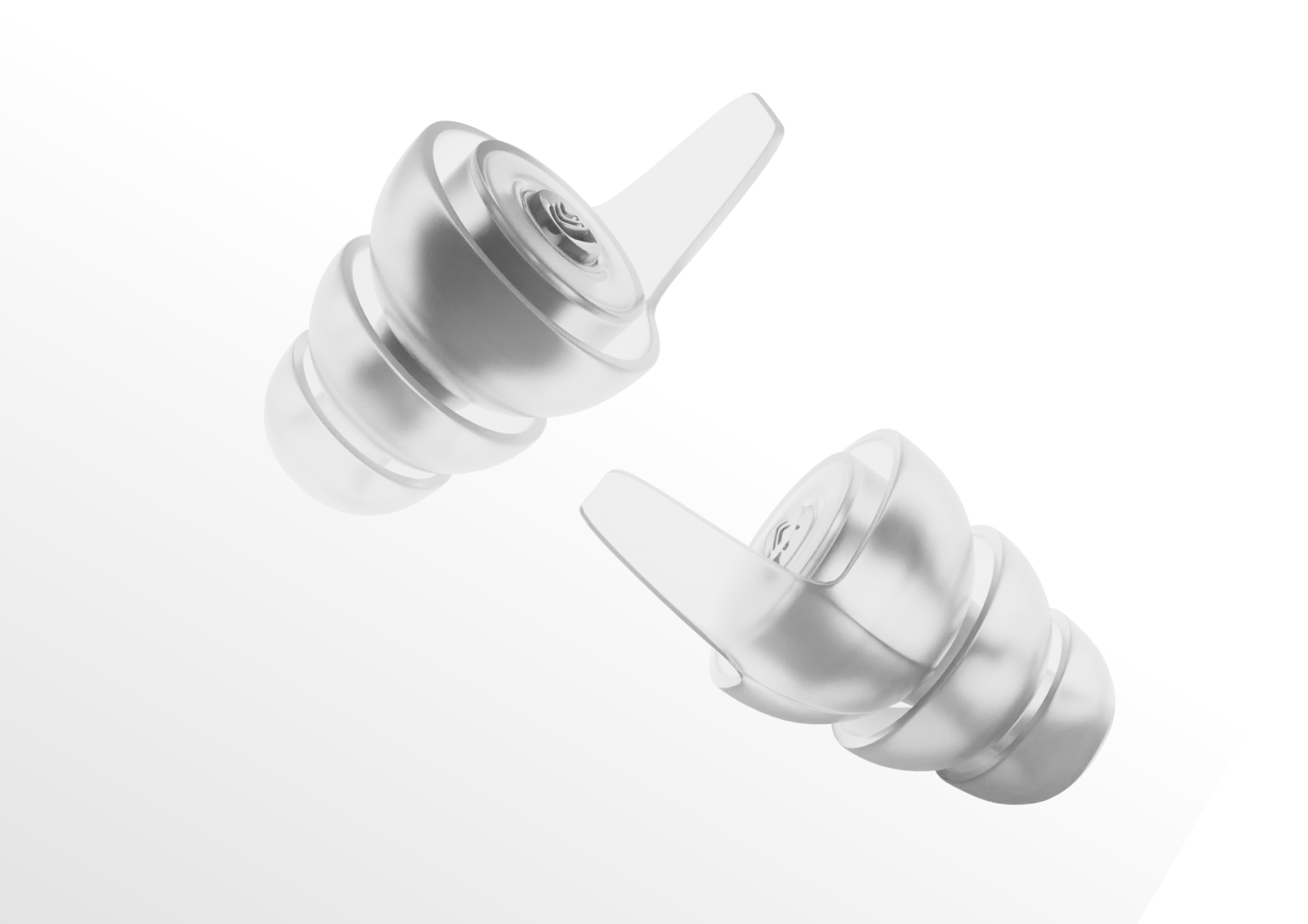
Rave Safe Startset – S/M/L – 19 dB – Storage case
- Clear, flat 19 dB attenuation for the best music experience
- Earplugs and music filters fully transparent — sit deep in the ear and are practically invisible
- Free home delivery with Colissimo, including track & trace